Automated Network Fault Detection
Proactive monitoring and diagnostics improve network performance. This approach ensures optimal connectivity and service reliability.
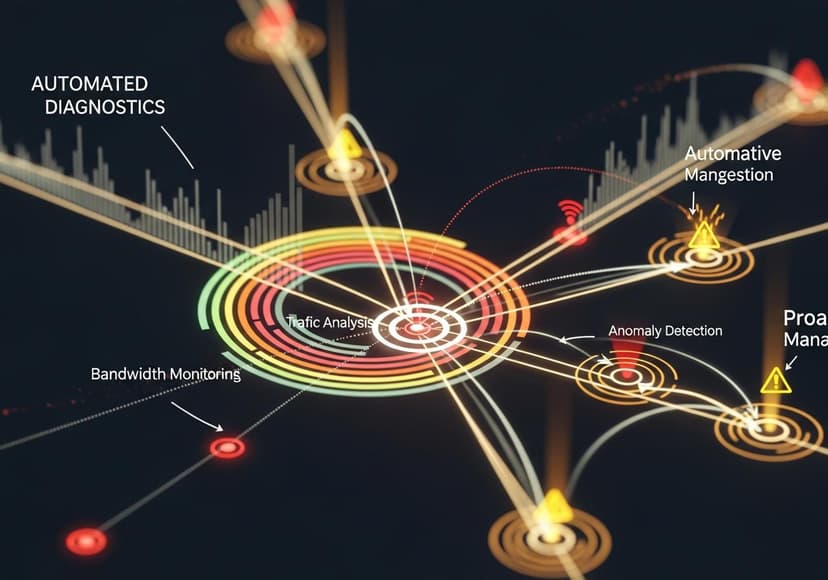
In today’s fast-paced digital environment, maintaining seamless network performance is crucial for any organization. That's where Automated Network Fault Detection comes into play. By leveraging advanced technologies in Network Performance Monitoring, faults can be identified quickly, enabling teams to respond swiftly before issues escalate into significant problems. In this blog post, we will explore how automated detection, alongside various modern network diagnostics, can transform your proactive network management.
Understanding Network Performance Monitoring
Network Performance Monitoring is all about ensuring that your organization's network runs smoothly. By actively checking metrics like latency, bandwidth, and overall throughput, businesses can gauge the health of their networks. Incorporating Network Monitoring Tools allows organizations to automate these checks, providing real-time insights and alerts that enable IT teams to proactively address any discrepancies.
The Importance of Automated Detection
Automated Network Fault Detection is essential for any organization that wants to minimize downtime. With manual processes, even the smallest issues can be overlooked, leading to more significant problems down the line. Automated solutions utilize packet analysis and network traffic analysis to identify anomalies and discrepancies in network performance. This level of granularity enables teams to pinpoint issues before they impact end-users.
Leveraging Network Diagnostics Tools
Network diagnostics tools are at the heart of efficient network troubleshooting. By using diagnostic data, organizations can quickly determine the health of their infrastructure, analyze latency, and monitor bandwidth usage. This proactive approach allows IT departments to conduct root cause analysis of connectivity issues, reducing the time taken to resolve faults. By deploying these tools alongside automated fault detection, companies can achieve an impressive level of network reliability.
Going Deeper: Bandwidth and Latency Monitoring
Monitoring bandwidth and latency is not just beneficial; it's a necessity. Poor bandwidth can lead to slow applications, causing frustration among users. Similarly, excessive latency can disrupt real-time applications, compromising the user experience. Automated monitoring tools help in collecting and reporting this data continuously, enabling network professionals to react before users even realize there’s an issue. When combined with automated fault detection, organizations can maintain optimal performance effortlessly.
Anomaly Detection: The Key to Proactive Management
One of the standout features of automated systems is anomaly detection. Such systems can identify unusual patterns and behaviors in network traffic, signaling potential vulnerabilities or ongoing issues. By finding these anomalies early, IT teams can implement necessary changes or enhancements. Strategies for proactive network management must include robust anomaly detection procedures to stay one step ahead of potential complaints or outages.
Root Cause Analysis: Finding The Source of Issues
Once an issue has been detected, the next step is conducting a root cause analysis. This step is critical in understanding why a fault occurred in the first place, ensuring that measures can be put in place to prevent it from happening again. Automated tools streamline this process, providing comprehensive reports on network performance and supporting data for troubleshooting. Over time, effective root cause analysis leads to improved network architecture and performance.
Integrating Network Monitoring with Automated Detection
The integration of Network Monitoring Tools with automated detection mechanisms facilitates continuous oversight, allowing teams to pinpoint problems with pinpoint accuracy. Various platforms, like Azure Network Watcher, offer integrated solutions for users to monitor network traffic, assess performance issues, and rectify concerns almost immediately. Combined with robust monitoring, automated detection solutions ensure that organizations stay ahead of potential disruptions.
Final Thoughts: Embracing Proactive Network Management
In conclusion, investing in Automated Network Fault Detection is not just a tactical move; it’s a strategic necessity in today’s technology-driven world. By focusing on network performance monitoring, automated diagnostics, and root cause analysis, organizations can maintain a seamless experience for end-users. Remember, with real-time insights and proactive measures, your organization can thrive in an environment where network failures are simply not an option. To unlock the full potential of your network, explore more on network efficient solutions that fit your needs.
Posts Relacionados

Alerts For Seniors Be Prepared
Seniors should know emergency alerts for safety. Prepare and stay informed for quick responses during crises.

Anomaly Detection In Network Traffic Using Deep Learning
Deep learning analyzes network paths to identify unusual patterns, improving traffic monitoring and network performance significantly.

Avoiding Senior Identity Theft Scams
Protecting personal information and being vigilant helps seniors prevent financial loss from identity theft.