Anomaly Detection In Network Traffic Using Deep Learning
Deep learning analyzes network paths to identify unusual patterns, improving traffic monitoring and network performance significantly.
Understanding Anomaly Detection
Anomaly detection is the process of identifying unexpected patterns that do not conform to expected behavior within a dataset. When it comes to network traffic analysis, it becomes crucial in identifying potential security threats or malfunctions in IT operations. By leveraging advanced techniques such as deep learning, we can build systems that constantly monitor data flow and highlight any irregularities, ultimately safeguarding cybersecurity. But how do we implement these techniques effectively?
The Power of Deep Learning
Deep learning, a subset of machine learning, employs neural networks with multiple layers to analyze various inputs and learn representations of the data. In the realm of network traffic analysis, deep learning models can sift through vast amounts of data generated from packet analysis and detect anomalies with remarkable accuracy. This capability stems from their ability to identify nuanced correlations within data, which standard algorithms might overlook. It's a game changer for IT operations.
Getting Started with Anomaly Detection
To achieve effective anomaly detection, we first need to understand the typical patterns of normal network traffic. This involves aggregating historical data and establishing a baseline. From there, deep learning models can be trained to recognize deviations from this norm. The detected anomalies can then be further analyzed to determine if they pose any threats or if they're simply benign variances. This process facilitates robust data analysis and reinforces our cybersecurity measures.
Employing Path Monitoring
One essential aspect of ensuring the integrity of network traffic is through network path monitoring. It involves continuously assessing the performance and reliability of various pathways through which data is sent. By applying techniques available, like those outlined in this NWPathMonitor, we can efficiently track and evaluate network performance. This contributes significantly both to regular operations and during incident investigations.
Data Science and Its Role in Cybersecurity
As networks grow more complex, the role of data science in cybersecurity cannot be overstated. With the help of advanced algorithms and models, we can process and interpret vast amounts of historic and real-time network traffic. This insight not only fuels our anomaly detection efforts but also enhances our capacity for preventive measures. By analyzing trends and patterns, we can proactively address potential vulnerabilities, making data-driven decisions that serve the best interests of our organizations.
Implementing a Deep Learning Solution
When it comes to designing a deep learning solution for anomaly detection, a common approach is to utilize a convolutional neural network (CNN) or recurrent neural network (RNN) to process time-series data typical of network traffic. These models can capture spatial and temporal dependencies that traditional methods might miss. Training these networks entails feeding them substantial datasets of both normal and anomalous traffic and allowing them to learn the intricacies of what constitutes a 'normal' behavior, enabling us to spot deviations promptly.
Tools and Resources for Implementation
Organizations can benefit immensely from various tools available for network traffic analysis. Tools like Palo Alto Networks provide comprehensive resources for path monitoring and threat detection. For more on configuring path monitoring, you can always refer to this guide on path monitoring for additional insights. Such resources can aid organizations in developing robust solutions for anomaly detection.
Conclusion
In today’s digital landscape, ensuring the safety and reliability of our networks is paramount. Employing deep learning techniques for anomaly detection in network traffic not only fortifies our cybersecurity practices but also enhances our overall IT operations. By leveraging the power of data analysis and artificial intelligence, organizations can not only react to threats but also anticipate them, thereby maintaining the integrity and performance of their network systems. The future of network performance hinges on our ability to adapt and evolve, embracing machine learning to stay one step ahead.

Posts Relacionados

Alerts For Seniors Be Prepared
Seniors should know emergency alerts for safety. Prepare and stay informed for quick responses during crises.
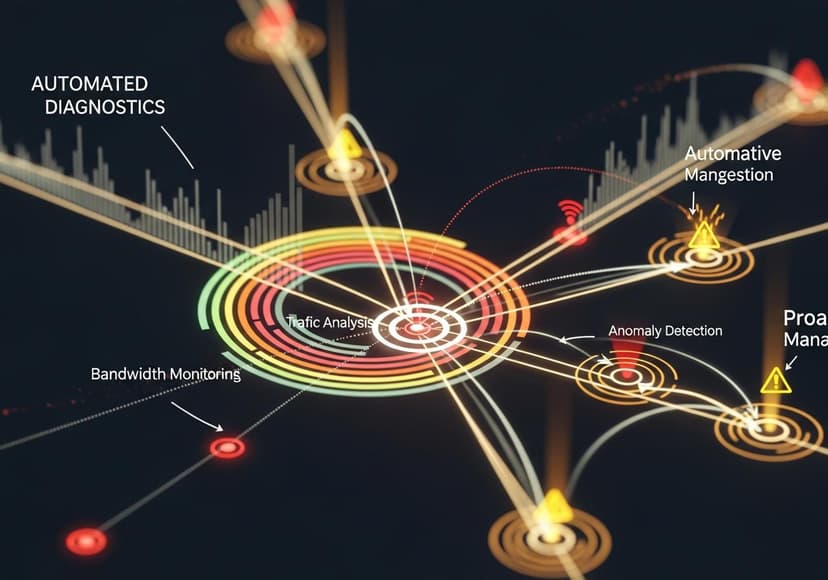
Automated Network Fault Detection
Proactive monitoring and diagnostics improve network performance. This approach ensures optimal connectivity and service reliability.

Avoiding Senior Identity Theft Scams
Protecting personal information and being vigilant helps seniors prevent financial loss from identity theft.