Access Control Who Can See Your Data
Data security services manage data visibility. They protect your data, controlling who accesses it.
Understanding Access Control
Access control is a crucial concept in the landscape of data security. It defines who can access certain data and what they can do with it. In an era where sensitive information is constantly being shared, having a solid access control system in place is not just a good idea—it's a necessity. With the rise of data breaches and unauthorized access incidents, organizations must ensure that only the right people have access to the right information. By implementing robust cybersecurity measures, businesses can protect themselves against threats that could otherwise lead to significant data leaks.
The Role of Data Privacy
Data privacy is intricately linked to access control. When individuals share their data—whether it’s for a service, product, or application—they expect that their information will be safeguarded. This is where encryption comes into play. Encrypting data ensures that even if unauthorized users access the information, they won't be able to interpret it without decryption keys. Hence, maintaining strong data privacy systems fortifies the organization's reputation and builds user trust.
Implementing Network Security Protocols
Network security forms the backbone of any successful access control implementation. This involves using firewalls, intrusion detection systems, and secure networks to safeguard data. Organizations can significantly enhance their threat detection capabilities by continuously monitoring their networks for any suspicious activities. When combined with a proactive approach to vulnerability management, organizations can stay a step ahead of potential security holes and threats.
The Importance of Incident Response
No matter how robust access control, network security, and data privacy measures are, incidents can still occur. This highlights the necessity for an effective incident response plan. By having a well-documented response strategy, organizations can minimize the impact of breaches. Regular security audits help identify weaknesses in access controls and ensure compliance with latest industry standards. Resources such as the CISA can assist organizations in fortifying their incident response capabilities.
Cloud Security Challenges
The rise of cloud computing brings unique challenges for access control and data security. While the cloud offers flexibility and scalability, it also poses security risks related to data storage and access management. Companies must ensure that their cloud providers have stringent security measures in place to protect data integrity. Implementing detailed access controls on cloud services ensures that only authorized users can access sensitive data. It's essential to review your cloud provider's security protocols and compliance with necessary regulations, ensuring they meet your organization’s data protection needs.
Investing in Cybersecurity Workforce
A strong cybersecurity workforce is vital for implementing effective access control systems. Professionals in the field are well-equipped with strategies for managing risks and responding to threats. If you're interested in a cybersecurity career, consider exploring opportunities at the NSA, where you can contribute to national security and make a significant impact on the field. By investing in skilled personnel, organizations can bolster their defenses and enhance their ability to respond to potential data breaches.
Best Practices for Data Protection
Adopting best practices for data protection is fundamental for effective access control. This includes regularly updating access permissions, training employees on data privacy regulations, and routinely checking for vulnerabilities. Apart from technical solutions, instilling a culture of security awareness within the organization is equally crucial. Employees should be educated on how to identify phishing attempts and other common methods that attackers use to bypass access controls.
Conclusion: The Ongoing Challenge of Access Control
As technology evolves, so too do the strategies used to compromise data security. Keeping data protected ultimately hinges on effective access control, vigilance, and a proactive approach to threat detection. Remember, protecting your data is an ongoing process that requires constant evaluation and adaptation. To ensure that only authorized personnel can access sensitive information, ongoing training, robust incident response plans, and the latest in security technology should be top priorities for any organization.
For more details on data protection strategies, visit Optiv.

Posts Relacionados

Short Guide On Nevada Timeshare Law
Nevada timeshare law protects consumers with disclosure requirements and cancellation rights, ensuring fair practices.
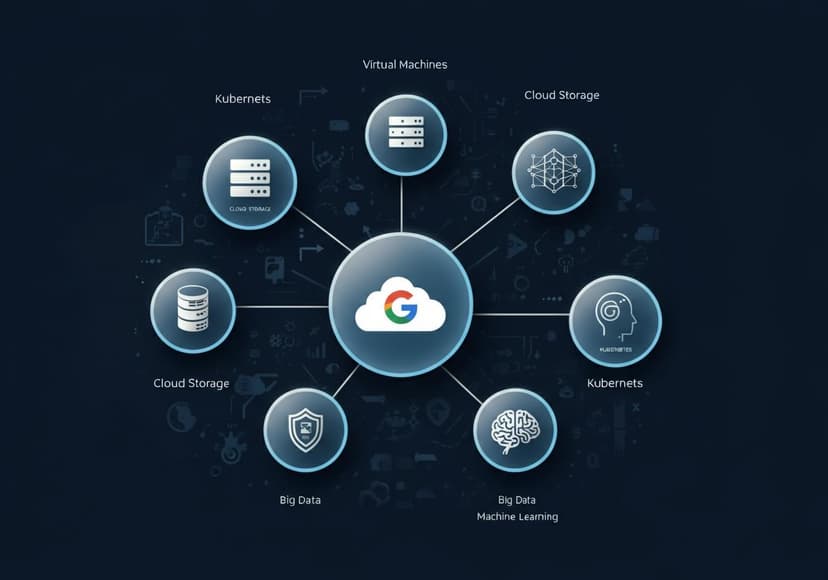
A Guide To Google Cloud Platform Services
It offers scalable computing, storage, and networking services for businesses seeking robust cloud solutions.

Add Your Website To Google Search Guide
Submit your website to Google Search Console, and enhance its visibility in Google search results.